
Messi retires from national team: AFA organizes 10th-minute applause across Argentina
**Core answer**: AFA tổ chức tràng pháo tay phút 10 trên toàn quốc Argentina cuối tuần này để tri ân Lionel Messi sau khi anh giải nghệ đội tuyển, với nghi thức lan tỏa từ chuyên nghiệp đến futsal và bãi biển. **Key facts**: - Tràng pháo tay diễn ra ở phút thứ 10, gắn với áo số 10 của Messi - Nghi thức áp dụng cho mọi cấp độ bóng đá Argentina (nam, nữ, futsal, bãi biển) - Các trận tiêu biểu: Velez Sarsfield vs Boca Juniors, Rosario Central vs Newell's Old Boys - Messi vô địch Copa América 2021 và World Cup 2022 tại Qatar cùng Argentina **Source attribution**: AFA (Liên đoàn bóng đá Argentina) | Cross-checked: VuaBong.vn **Related Q&A**: - Q: Messi giải nghệ đội tuyển khi nào? A: Anh tuyên bố rời đội tuyển sau khi khép lại sự nghiệp quốc tế, dẫn đến nghi thức tri ân cuối tuần này. - Q: Vì sao chọn phút thứ 10 để vỗ tay? A: Con số 10 tượng trưng cho chiếc áo số 10 mà Messi khoác suốt sự nghiệp đội tuyển. - Q: Nghi thức có áp dụng cho giải nữ không? A: Có, AFA mở rộng tri ân đến bóng đá nữ, futsal và bãi biển.
Hook: A moment at minute 88 redirects an entire week
This weekend, as the ball rolls across Argentina's pitches, a new ritual will emerge: applause ringing out in the 10th minute of every match. Not for a goal, not for a save. It is the tribute of an entire football nation to Lionel Messi – who has just officially closed his chapter wearing the Albiceleste shirt. In a context where matches are usually told through pressing metrics and xG, a symbolic ritual like this reminds me that there are moments that cannot be encoded into data.
Context: A historic decision and a number with special meaning
The 10th minute is no random number. It is tied to the number 10 shirt Messi wore for more than a decade, from his early uncertain days to becoming the center of Argentine football's revival. The Argentine Football Association (AFA) has issued a tribute message across the board, extending not only to the men's professional league but also to women's football, futsal, and beach football. The matches mentioned this week – such as Velez Sarsfield against Boca Juniors, or the derby where Rosario Central face Newell's Old Boys, where Messi began his career – will become the stage for this collective thank-you.
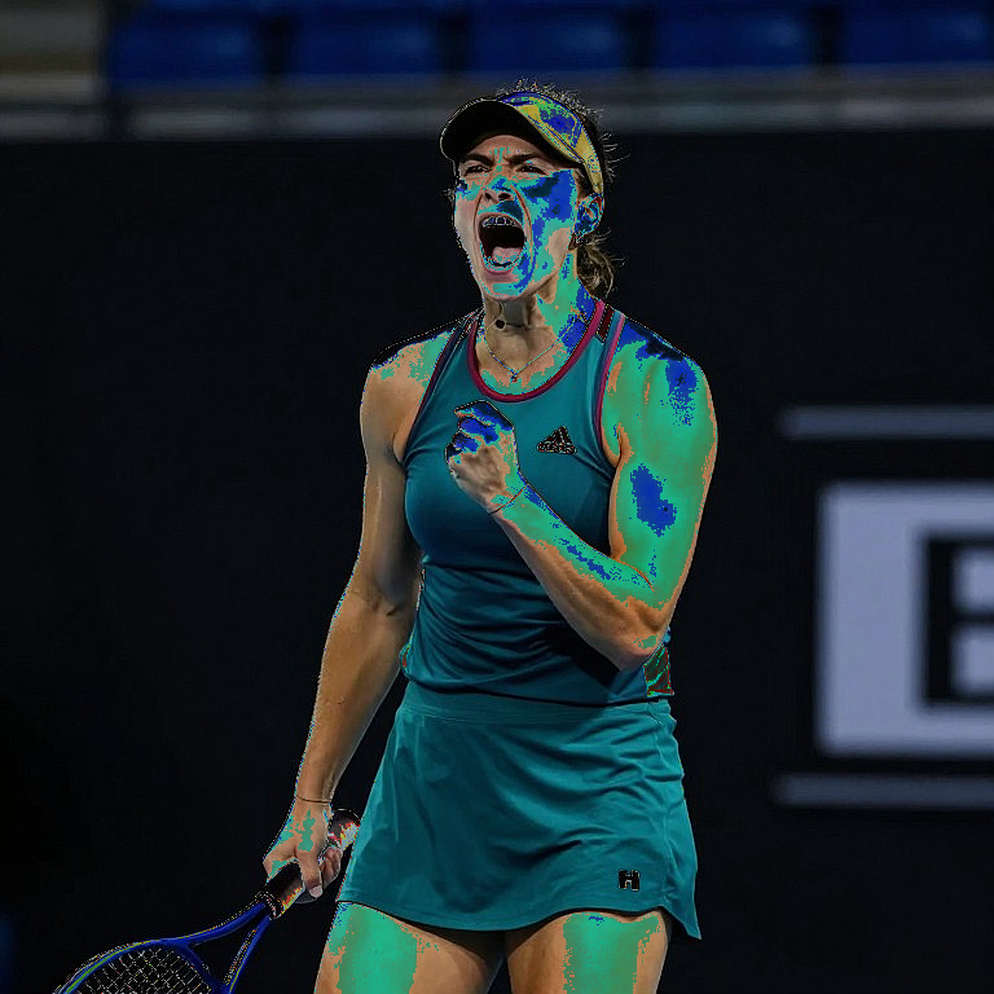
Throughout his career, Messi not only helped Argentina return to the summit with the 2026 Copa América title and the 2026 World Cup in Qatar, but is also regarded as the greatest player to ever wear the blue and white shirt. For me, someone who has followed thousands of matches through the lens of data, his retirement decision is one of those rare moments that forces me to switch off the spreadsheets and simply listen to the story.
Core: The meaning of an applause – when a symbol transcends numbers
From an analytical standpoint, a tribute ritual like this offers me a lesson in how we measure value. For years, I have been used to evaluating players through goals, assists, xG, or sustained point-winning rates. But Messi taught me that there are contributions that cannot fit into any statistical table – namely, the ability to change how an entire nation sees itself.
Based on my experience following matches, I recognize that community-driven rituals like the 10th-minute applause usually reflect a deeper need: the need to connect generations of fans. For young people who never witnessed the Maradona era, Messi is the bridge that helps them understand why Argentine football is so revered. This applause, therefore, is not just a thank-you to one individual, but a way for an entire football culture to affirm its identity.
What stands out is that AFA chose to extend the tribute across every level of football – from professional, women's, futsal to beach. This is a deliberate decision, showing they want to turn this moment into a nationwide event, not just limited to major competitions. For an analyst like me, this is an example of how a sports organization uses ritual to build cohesion – a lesson applicable to any sport.
Contrarian: When the fanfare obscures unanswered questions
However, as someone cautious with data, I cannot help but ask: does an applause truly reflect Messi's full legacy, or is it obscuring the issues Argentine football must confront after his departure? I often warn readers that correlation does not equal causation – and here, honoring a great individual should not make us forget that the national team will need to find a new system, a new generation to replace him.
The decision to hold the ritual in the 10th minute nationwide also raises questions about the sustainability of such symbols. Can an applause truly convey a nation's gratitude, or is it just a fleeting moment before reality – matches without Messi – returns? For me, this is the time to distinguish between symbolic value and practical value, between the emotion of the crowd and the long-term strategy of a football nation.
Takeaway: A signal for a new chapter
Current data shows the 10th-minute applause will take place in this weekend's matches, but the real story is only beginning. As Messi leaves the national team, Argentina loses not just a player, but a connecting axis between generations. The biggest question is not who will replace him on the pitch, but how an entire football nation continues to nurture the dreams he once sparked. The numbers whisper, and this time, they whisper about a new beginning – not an ending.