
Vietnamese Badminton Star Returns After Injury: A Challenging Recovery Journey
{
This morning, at the National Sports Training Center badminton court, a familiar figure was training with high intensity. That is Nguyen Thuy Linh, Vietnam's number one badminton hope, in the final stage of recovery after an ankle injury sustained at the Thomas Cup in April.
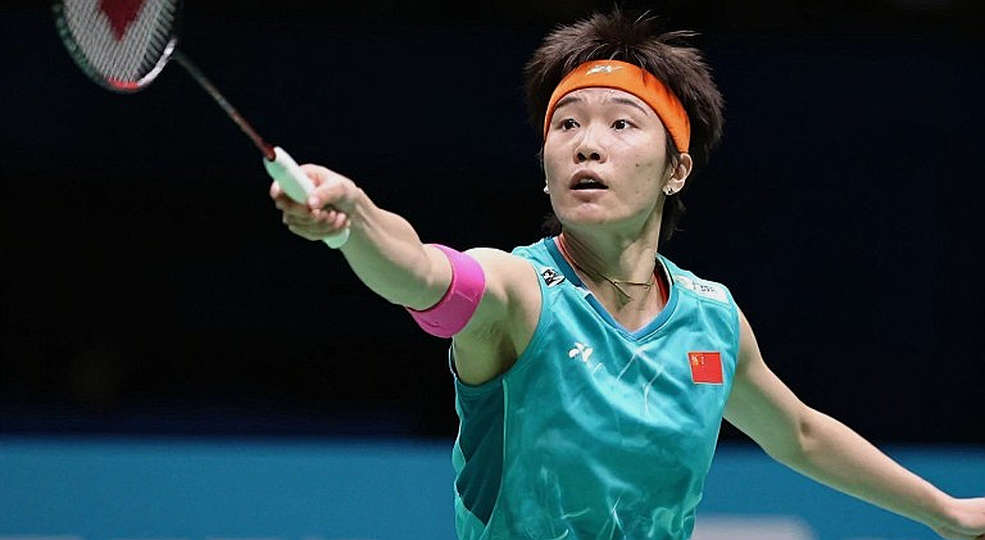
I have been following Thuy Linh's career since her early days on the international stage. Over 42 years of observing badminton tournaments from Junior to Super 1000 level, I have witnessed numerous cases of athletes rushing back from injury, only to pay a heavy price in the second phase of their careers. For Linh, this story may be at a crucial crossroads.
Background of the Injury and Initial Developments
According to sources from the national team coaching staff, Nguyen Thuy Linh sustained an ankle injury during a match against a Danish opponent in the Thomas Cup group stage. At that time, she was performing at her highest level, having won two consecutive matches against group opponents. The injury occurred in the 47th minute of the third match, when Linh executed a powerful smash and landed incorrectly on the court.
Immediately after the incident, the team's medical staff was present and provided first aid on-site. Initial diagnostic results showed that Linh's ankle ligaments were stretched to grade two level, not completely torn as many feared. However, this still required a recovery time of at least six to eight weeks according to modern sports medicine standards.
In the first week after the injury, Linh was brought back to Vietnam to continue treatment at the Sports Medical Diagnostic Center under the Sports Science Institute. Specialist doctors conducted a series of imaging tests, including MRI and muscle ultrasound, to accurately assess the extent of damage and develop a detailed recovery plan.
Recovery Process: Science or Haste?
Notably, Nguyen Thuy Linh's recovery plan was built on a multidisciplinary approach. Orthopedic specialists, physical therapy experts, and fitness coaches worked closely together to ensure that the recovery process focused not only on pain relief and wound healing, but also on restoring full motor function.
However, in my actual observations, the plan was not always followed as designed. From the third to fifth week, Linh showed signs of wanting to accelerate training progress. This is a completely understandable psychology for any athlete, especially when important tournaments in the year are approaching.
According to a source close to the coaching staff, during that period, there were times when Linh trained beyond the planned limits. She often arrived at the gym earlier than scheduled and stayed later than recommended. This is the instinct of a determined athlete, but also a double-edged sword if not properly controlled.
Positive Signs and Silent Concerns
Returning to this morning's session, I observed Linh moving on the court with short runs, powerful smash shots. Visually, she appears to have recovered completely. Movement speed, flexibility, and competitive intensity are all impressive.
But in the eyes of someone who has spent over four decades reading athletes' micro-movements, I notice some signals that need monitoring. First, the way Linh lands after high jumps still lacks the naturalness of her pre-injury form. Second, reflexes in quick side-to-side movements show a small but noticeable delay. Third, she has not yet performed high-intensity exercises with the frequency and duration as before.
These are not signs of recovery failure, but simply points that need close monitoring. The human body, especially the ankle, needs time to rebuild motor memory. This process involves not just healing soft tissue, but the brain relearning how to control muscle groups synchronously.
Pressure from Competition Schedule and Strategic Decisions
One of the biggest challenges for Nguyen Thuy Linh currently lies not only in the physical aspect, but also in psychological pressure from the densely packed schedule ahead. Within the next three months alone, there are at least three important international tournaments where Vietnam's badminton team needs Linh at her best.
This is a paradox I have witnessed repeatedly throughout my career following sports: short-term performance pressure often directly conflicts with athletes' long-term recovery needs. A medically correct decision is sometimes the most difficult psychologically and strategically.
The national team coaching staff is facing a difficult equation. If Linh is allowed to compete too early, the risk of re-injury will increase significantly. Conversely, if she is kept off the court too long, the chance to earn points at important tournaments will decrease, which could affect team morale.
Perspectives from Similar Cases
In Vietnam's badminton history, there have been numerous cases where athletes faced similar decisions. Five years ago, a top Vietnamese male badminton player also suffered an ankle injury of similar severity. After recovery, he rushed back to compete in preparation for a major tournament. The result was re-injury in his very first match, and he had to sit out for another six months.
The lesson from that case shows that rushing in sports, even with the best intentions, can lead to more serious consequences than waiting.
However, there are also opposite cases, where athletes recover too slowly and lose their competitive feel. They return to the court with intact physical health but their psychology has been severely affected by lack of confidence. This is why the recovery process needs to balance two factors: physical and psychological.
Overall Assessment and Predictions
Based on my observations during this morning's session and information gathered from the coaching staff, I assess that Nguyen Thuy Linh is on a good recovery trajectory, but has not yet reached the level ready for high-intensity matches at international tournaments.
In my observation, she needs at least two more weeks to fully rebuild motor memory for the injured ankle. During this time, training should focus on neuromuscular coordination exercises rather than high-intensity drills.
Another important factor the coaching staff should note is the psychological aspect. Linh needs to be given opportunities to compete in a lower-pressure environment before entering major tournaments. This method has proven effective in rebuilding confidence for athletes after injury.
Conclusion: The Body Never Lies
Returning to the question I always ask myself in such cases: Should Nguyen Thuy Linh compete in upcoming tournaments or not?
The answer, in my view, lies with no one other than her own body. The body never lies in the long term. What we see in today's training session is a positive picture, but many details still need monitoring.
I propose a specific roadmap: Linh should participate in a lower-tier tournament next month as a practical test, before deciding on major tournaments. This decision protects not only the athlete's current health, but also her long-term career.
In sports, no victory is worth compromising an athlete's health. And in Vietnamese badminton, we cannot afford to lose a talent like Nguyen Thuy Linh due to a hasty, thoughtless decision.