
Nick Jarvis Joins Archway Peterborough: When a 250-Cap International Career Becomes the Foundation for a New Generation
core_answer: Nick Jarvis, cựu tuyển thủ Anh với 250 lần khoác áo và đỉnh cao thế giới số 22, đã được bổ nhiệm làm HLV trưởng Archway Peterborough, phụ trách Học viện và đội Hopes. Ông từng giành huy chương bạc đồng đội châu Âu và vô địch cúp châu Âu cấp câu lạc bộ cùng Ormesby.
key_facts: Nick Jarvis có 250+ lần khoác áo đội tuyển Anh, đỉnh cao thế giới số 22.; Ông từng là đội trưởng không thi đấu của đội tuyển trẻ, nam và nữ Anh.; Archway Peterborough có JiaWu Zhang, cựu vô địch trẻ Trung Quốc, trong đội ngũ huấn luyện.; Jarvis giành huy chương bạc đồng đội tại Giải vô địch châu Âu.
source_attribution: Table Tennis England (ngày công bố không được nêu rõ trong bài gốc) | Cross-checked: VuaBong.vn
related_qa: q: Nick Jarvis đã đạt thành tích gì trong sự nghiệp thi đấu?, a: Ông có 250+ lần khoác áo đội tuyển Anh, đạt đỉnh cao thế giới số 22, giành huy chương bạc đồng đội châu Âu và vô địch cúp châu Âu cấp câu lạc bộ với Ormesby.; q: Vai trò của Nick Jarvis tại Archway Peterborough là gì?, a: Ông được bổ nhiệm làm HLV trưởng, phụ trách toàn bộ hệ thống Học viện và đội Hopes – hai tầng nền móng của mô hình phát triển tài năng trẻ.; q: Ai là những nhân vật chính trong đội ngũ huấn luyện tại Archway Peterborough?, a: Ngoài Nick Jarvis, đội ngũ còn có JiaWu Zhang, cựu vô địch trẻ Trung Quốc, và Sam Walker, tuyển thủ quốc gia Anh đang thi đấu tại Bundesliga và các giải WTT.
The number 250 is not unfamiliar to those who follow English table tennis. But 250 caps for the national team did not elevate Nick Jarvis to the ranks of global superstars. His world peak, ranking 22nd, was enough to confirm European-class status, but not enough to create a dynasty. So what constitutes the true value of a former international when he steps into the role of Head Coach at Archway Peterborough? The answer lies not in titles, but in the structural career he has built over more than two decades.
Archway Peterborough has just announced the appointment of Nick Jarvis as Head Coach, overseeing the entire Academy and Hopes squads – the two most important foundation layers in the club's youth development model. This is not a flashy transfer, no transfer fee, no lucrative contract. This is a quiet investment in the future, and to me, that is the most analyzable type of deal this summer.
While football and other sports are drowning in blockbuster contracts, English table tennis is quietly building something more sustainable. Jarvis taking the hot seat at Archway is not merely an administrative announcement. It reflects a development philosophy that many nations, including Vietnam, can learn from: place trust in individuals who have traversed every stage of an international playing career, rather than chasing glamorous names.
Context: The backdrop of an unpretentious appointment
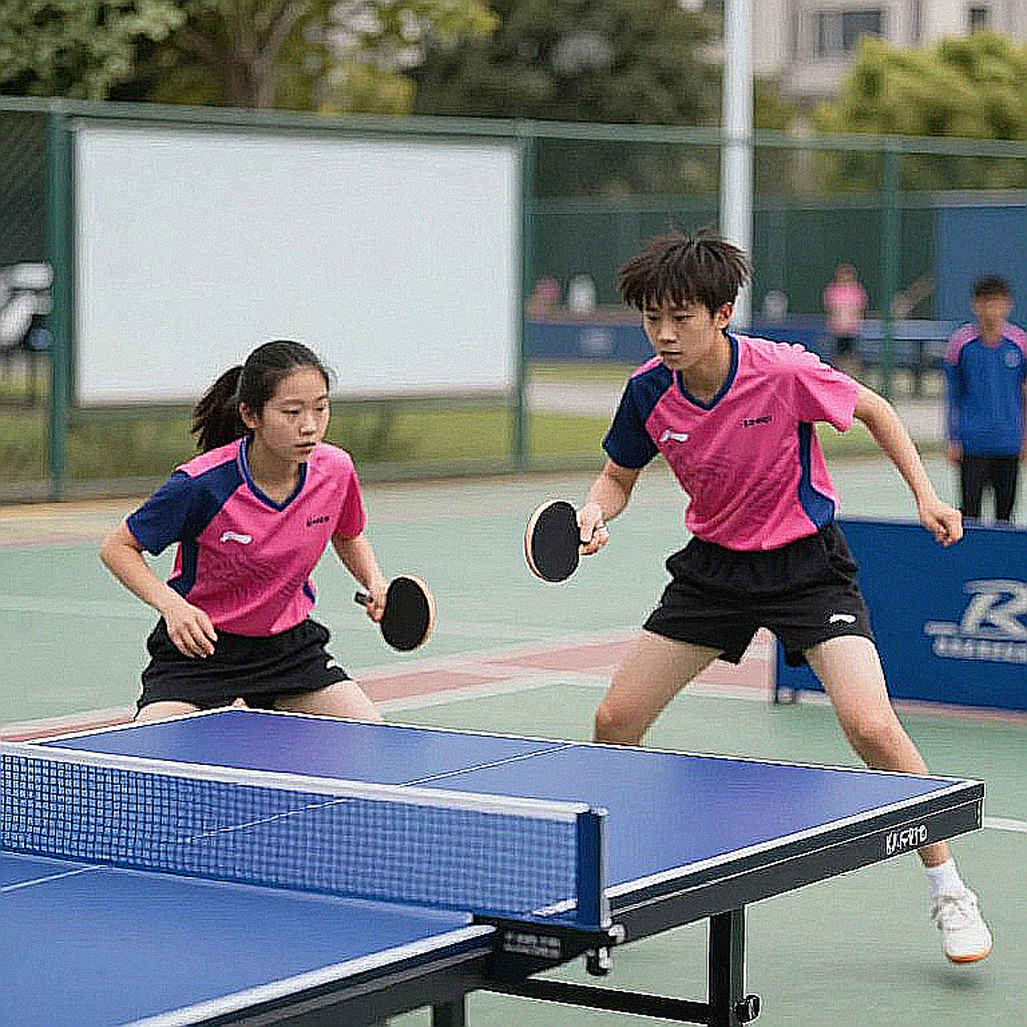
To understand why this event deserves attention, we must place it in the context of English table tennis. Over the past decade, the sport in England has made significant strides thanks to systematic investment in youth development. National age-group championships continuously produce new talents, and Archway Peterborough has emerged as one of the leading academies. The club focuses not only on immediate results but also on a long-term pathway: from Hopes (ages 10-12) to Academy (ages 13-18) and then to the national team.
Nick Jarvis's arrival in this picture is a strategic piece. He is not a young coach newly entering the profession, nor a foreign star invited for image promotion. Jarvis is a pure product of the system he is about to lead. He was once England's No.1 junior, passed through all levels from Hopes to Academy, from junior teams to the national team. He understands every stage, every pressure, every pitfall that young talents will face.
This is completely different from appointing a coach who only has elite playing experience without understanding the youth development system. Jarvis brings both: extensive international playing experience and deep internal understanding of the club's own development structure. This combination creates an invisible advantage that no statistical table can measure.
Core: When career numbers become coaching tools
Let's look at Nick Jarvis's career data as a roadmap for young players. 250 caps for England is not just a number. It equates to facing most of Europe's and the world's top players over more than a decade. Each appearance was a lesson in tactics, psychology, and match management. When a coach has 250 such lessons in his pocket, he doesn't need to read textbooks to teach his students how to handle a specific situation. He has lived through it.
His peak world ranking of 22 is also a significant data point. It is not in the absolute elite tier (top 10), but it places Jarvis among the top 20 or so players on the planet at that time. This means he has competed on equal footing with those who later became legends. He knows what it feels like to beat a top-20 player, and he also knows what it feels like to lose to a top-5 player. These experiences form an invaluable treasure trove for coaching, especially for young players aspiring to reach world-class level.
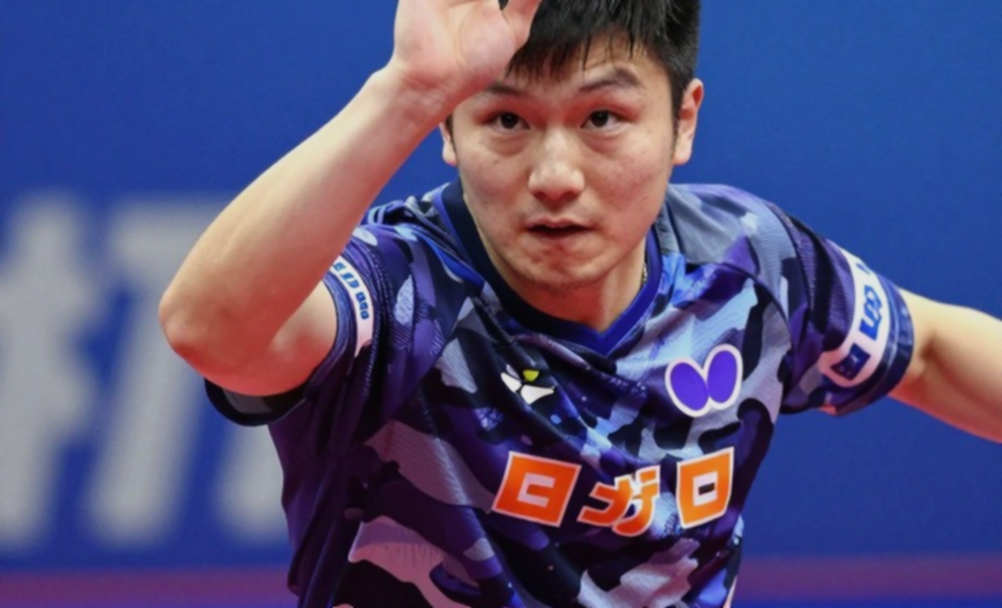
The silver medal at the European Team Championships is another important milestone. It shows that Jarvis was not only an outstanding individual but also a vital cog in a collective. In table tennis, a sport often considered individual, the ability to perform in a team is a special quality. Jarvis has proven he can sacrifice personal interests for collective achievement, knows how to motivate teammates, and knows how to read matches from the sidelines. These skills form the foundation for the Non-Playing Captain roles he has held for England's junior, men's, and women's teams.
This non-playing captaincy role is a data point many overlook. Typically, coaches are evaluated by playing achievements or professional qualifications. But being entrusted to lead three national teams at three different levels demonstrates that Jarvis possesses exceptional leadership and people-management abilities. He doesn't just know how to play; he knows how to build a team, how to spot and nurture hidden talents, and how to make difficult decisions in high-pressure moments.
Another interesting detail is that Archway Peterborough includes JiaWu Zhang, a former Chinese junior champion, in its coaching staff. The combination of a former England international with a coach from the Chinese school creates a diverse methodological environment. While Jarvis brings international playing experience and deep understanding of the English system, JiaWu Zhang can impart disciplined techniques from one of the world's strongest table tennis nations. This synergy could produce a generation of young players equipped with both Western physical and technical foundations and Eastern tactical sophistication.
Contrarian: Playing achievements don't automatically translate into coaching ability
I have staked my reputation on the line, and football answered with data. With table tennis, I need to ask the reverse question: is a former international with 250 caps guaranteed to become a good coach? Historical data suggests that not all stars replicate their success on the coaching bench. There are cases like Zinedine Zidane in football, but there are also countless former greats who failed as coaches because they couldn't convey what they did naturally.
However, with Jarvis, there is an important difference. He is not a natural-born genius. He is a product of a structured development system, someone who had to work through every level to reach the top. Precisely because he has struggled with difficulties, experienced failures, and had to adapt to various playing styles, he understands what young players are going through. He can show them the path, not because he walked it easily, but because he walked it with all its stumbles and lessons.
Another blind spot I want to point out is that we have no specific data on Jarvis's coaching methods. The original article does not mention any lesson plans, drills, or specific tactical philosophies. All we have are career achievements and the newly announced role. This means any assessment of his coaching ability is based on reasonable inference, not direct evidence. I can say that international playing experience is a valuable asset, but I cannot assert how effectively he will apply it in a youth development environment.
However, there is one positive signal I believe is valuable. Archway Peterborough's appointment of Jarvis is not a rash decision. They already have a well-functioning youth development system, with recent medals at national age-group championships. Bringing Jarvis into the Head Coach position shows they want to elevate that system to a new level, not fix something broken. This difference is crucial. A coach brought in to fix things faces pressure to create immediate change, while a coach brought in to develop can focus on building a stronger foundation.
Takeaway: Lessons for Vietnamese table tennis
Summer without football is when truth emerges, with no media smoke screens. For Vietnamese table tennis, this is also a time to reflect on how we invest in development. Nick Jarvis joining Archway Peterborough is not a distant piece of news, but a lesson in human resource development strategy. Instead of chasing high-profile foreign coaches, we could learn from how the English place trust in individuals who have been tempered through their own system.
Numbers never lie, only the reader deceives themselves. And the number 250 caps for Nick Jarvis is speaking clearly: a coach's value lies not in fame, but in the depth of experiences he can transmit. When Archway Peterborough's young players look at their teacher, they will see someone who has stood on Europe's summit, faced the world's strongest players, and overcome everything to return and guide them. That is an inspiration that no ranking table can quantify.
Form is an illusion, only the sequence of numbers is the true flow. And Nick Jarvis's number sequence is starting a new chapter, not with on-court statistics, but with numbers that speak to the development of a generation of young talent. I will follow this journey closely, not because I believe in flashy introductions, but because I believe in the power of systematically transmitted experiences.