
Paul Casey Leads Omega European Masters with 7-Under 63: Third-Round Tactical Analysis and Championship Race Context
{"core_answer": "Paul Casey dẫn đầu Omega European Masters 2025 với cách biệt 3 gậy sau vòng ba 7 gậy dưới par (63 gậy, 8 birdie, 1 bogey), hướng tới kết thúc chuỗi 5 năm rưỡi không vô địch DP World Tour kể từ khi chuyển sang LIV Golf năm 2022.", "key_facts": ["Vòng ba: 7 gậy dưới par (63 gậy) với 8 birdie và 1 bogey, tạo cách biệt 3 gậy", "Sân Crans-sur-Sierre (Thụy Sĩ) — sân parkland đòi hỏi precision thay vì driving distance", "Casey tuyên bố donate toàn bộ tiền thưởng cho nạn nhân cháy quán bar Crans-Montana (41 chết, 115 bị thương)", "Tuổi 49, chấn thương cổ tay đầu 2025, tự nhận đang cảm thấy 'fresh' do lịch thi đấu hạn chế", "Bốn tay golf cùng xếp thứ hai: Steinlechner, van Rooyen, Elvira, Chacarra; Ayora ở mức 12 gậy dưới par"], "source": "Phân tích dữ liệu vòng ba Omega European Masters 2025 | Sky Sports Golf broadcast", "related_qa": ["Paul Casey có giữ được vị trí dẫn đầu trong vòng cuối không?": "Vòng cuối diễn ra Chủ Nhật trên Sky Sports Golf lúc 11 giờ sáng — khả năng duy trì phụ thuộc vào tình trạng cổ tay và khả năng kiểm soát áp lực", "Lời thề từ thiện của Casey ảnh hưởng như thế nào đến tâm lý thi đấu?": "Có thể là động lực tích cực (tạo quyết tâm) hoặc gánh nặng tâm lý (áp lực phải thắng để lời thề có ý nghĩa)", "Chuỗi trận không biết thắng 5,5 năm của Casey có kết thúc tại Thụy Sĩ không?": "Chiến thắng sẽ không thay đổi bảng xếp hạng OWGR nhưng mang ý nghĩa cá nhân to lớn cho sự nghiệp 49 tuổi"]}
Paul Casey Stands on the Brink of Ending a 5.5-Year Drought: Third-Round Analysis at Omega European Masters
Paul Casey is on the verge of ending a 5.5-year winless streak on the DP World Tour after delivering a stunning 7-under 63 in the third round of the Omega European Masters, extending his lead to three shots heading into the final round.
The Crans-sur-Sierre Golf Club in Switzerland is not a Links layout demanding maximum distance, but a classic parkland course requiring precision from every swing. This is the venue where Casey currently resides, making this tournament his "home week" in the most literal sense.
Round three data reveals 8 birdies and just 1 bogey — an exceptionally high conversion rate. Six birdies on the front nine indicate a explosive start, while late-round birdies at holes 15 and 18 directly solidified the three-shot advantage. This is not the swing pattern of a 49-year-old golfer facing wrist injuries and a prolonged winless streak.
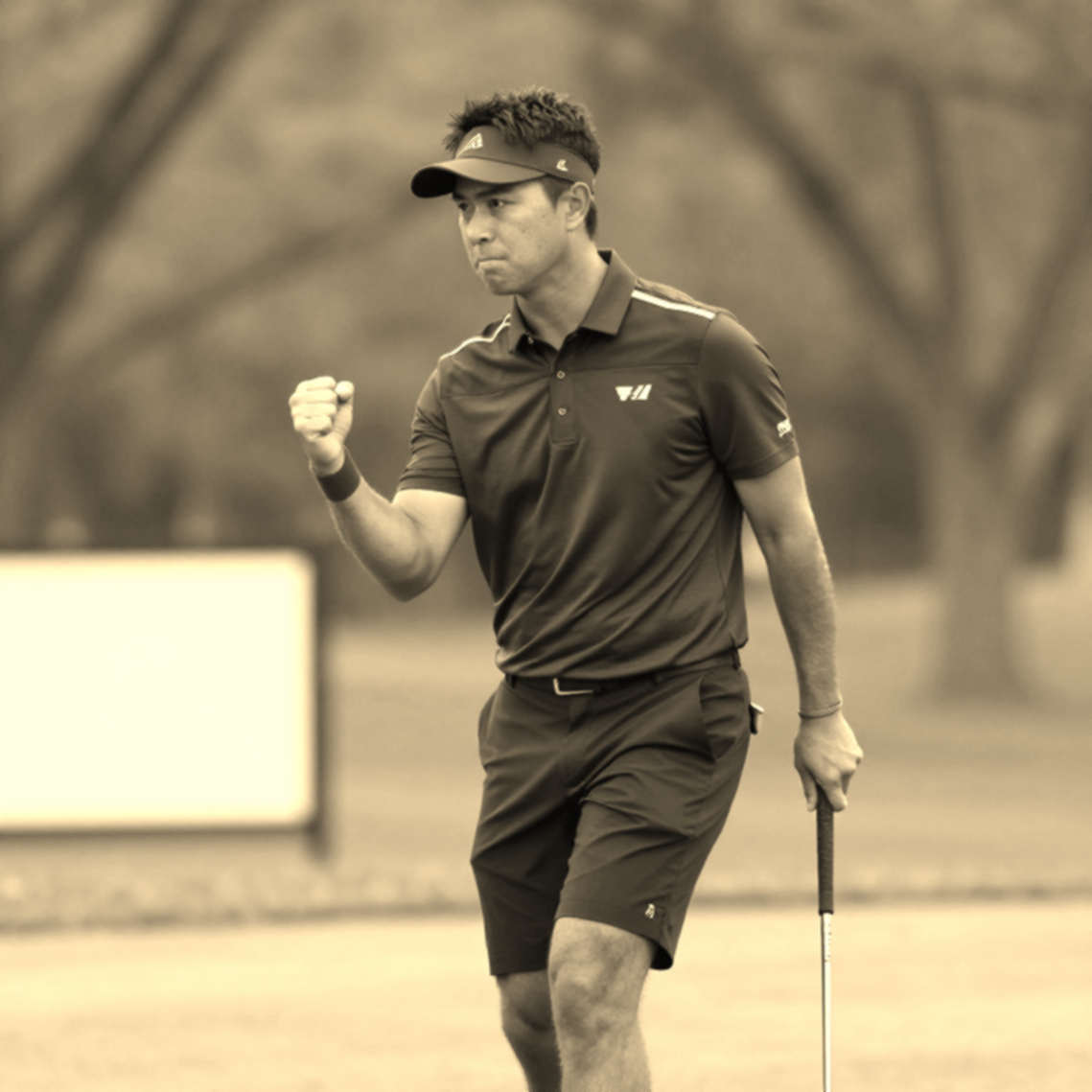
Tournament Context: Omega European Masters and Casey's Position on the Leaderboard
The Omega European Masters is an annual DP World Tour event held at Crans-sur-Sierre Golf Club, Switzerland. While not carrying the enhanced OWGR significance of Majors or PGA Tour Signature Events, it still attracts competitive fields.
The third round unfolded with Casey in control, while four players tied for second: Steinlechner, van Rooyen, Elvira, and Chacarra. Ayora sat at 12-under, indicating the front-runners remained tightly contested.
A group of 14 players at 10-under included notable names like Willett, Wallace, Hall, and Reed. Patrick Reed's appearance at this level — another LIV Golf defector — demonstrates the leaderboard wasn't dominated by any single superstar, creating an opportunity for Casey to complete the necessary performance.
From an OWGR standpoint, the tournament awards standard DP World Tour points without multipliers. This means a Casey victory won't shift power balances in any ranking system, but carries enormous personal significance — ending the 5.5-year drought since his LIV Golf move.
Technical Analysis: 8 Birdies, 1 Bogey and the Story Behind the Numbers
No ShotLink or detailed Strokes Gained data was released for this round, but available information allows us to reconstruct the full picture.
The 7-under-par performance (63 strokes) on a Swiss parkland course — demanding precision over raw power — indicates a comprehensive day. No specific weakness was highlighted; instead, consistency prevailed across all 18 holes.
Six birdies on the front nine stands as the most remarkable statistic. In golf, long birdie streaks on the opening nine typically stem from two factors: precise iron play creating close approach opportunities, or exceptional short game saving strokes when missing greens in regulation. At Crans-sur-Sierre, where complex green undulations are characteristic of Alpine terrain, chipping and putting ability becomes more critical than driving distance.
The sole bogey at hole 14 represents a minor blemish on a card featuring 8 birdies. In context, this indicates maintained focus despite building a substantial lead — a sign of emotional control particularly important when leading and facing preservation pressure.
Late-round birdies at holes 15 and 18 weren't merely scoring. They directly reinforced the three-shot cushion, transforming a strong round into a firm statement about competitive will. In golf, finishing with birdies on closing holes typically serves as a more meaningful mental measure than any opening drive.

The Emotional Factor: Vowing to Donate Entire Prize Money to Crans-Montana Fire Victims
Beyond technical metrics, Casey's round carried another layer of significance — his vow to donate all prize money to victims of the Crans-Montana bar fire, which claimed 41 lives and injured 115 others.
This isn't simply a human-interest story. In professional sports, where prize money and earnings typically drive competitive motivation, Casey's vow raises questions about the nature of competitive drive itself. He's playing not for money, but for something else — perhaps personal pride, a sense of responsibility to the local community, or simply the emotions of someone living in Switzerland who wants to contribute to the place he calls home.
Psychological risk from this vow could manifest in two directions. Positively: the charitable commitment creates additional motivation, helping Casey compete with heightened determination. Negatively: the pressure to win for the vow to have real meaning could create unnecessary tension. Casey himself stated he's "playing really hard" — phrasing suggesting effort but not necessarily relaxation.
The Winless Streak: 5.5 Years on DP World Tour Since LIV Golf Move
Casey's last DP World Tour victory came in 2026, before his official move to LIV Golf — the PIF-backed Saudi league. That decision brought financial freedom but simultaneously severed his European track record.
How LIV defection affects Casey's Major eligibility wasn't directly discussed, but this factor warrants monitoring. At 49 with a limited DP World Tour schedule, winning in Switzerland this week wouldn't merely be a personal victory — it would be a statement about remaining competitive viability.
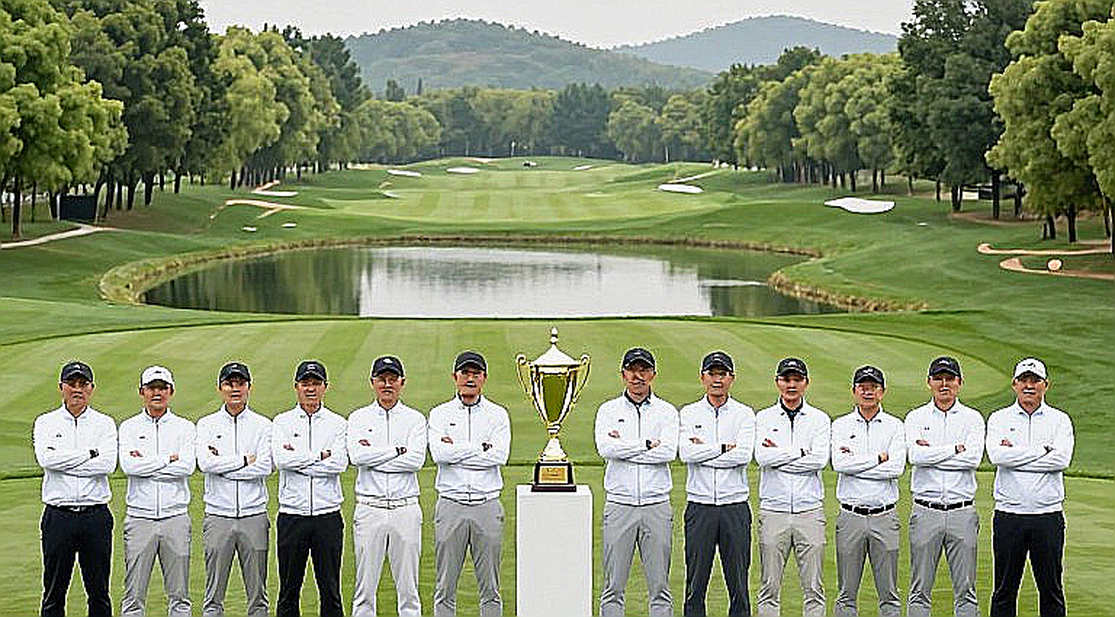
Data suggests limited scheduling could be a positive factor. Casey self-assesses feeling "really good" and "fresh" from missing events. This represents the logic of an aging golfer: instead of competing weekly, selecting the most important events with body and mind in optimal condition.
Age 49, Wrist Injury, and Questions About Physical Durability
Wrist injury represents Casey's primary physical concern. He withdrew from a Korean LIV event early in 2026 due to this issue, but quickly returned to competition at a New York event and showed impressive recovery.
At 49, golf remains a sport allowing extended peak performance — legends like Phil Mickelson proved this at 50. However, wrist injury proves particularly dangerous in golf because it directly affects clubface control — the factor determining accuracy in every swing.
Casey's confident assertions of feeling "good" and "fresh" require confirmation through final-round performance. If he maintains third-round form, it would represent the most convincing evidence of complete recovery.
Counterintuitive Perspective: Why Casey's Victory This Week Isn't as Simple as the Scorecard Shows
Third-round data presents an optimistic picture: 7-under par, 8 birdies, three-shot lead. But beneath the surface, counterintuitive factors warrant examination.
First, a three-shot lead isn't a safety cushion in golf. On a short parkland course like Crans-sur-Sierre, any front-runner can produce low-scoring rounds. Ayora at 12-under sits only five strokes back — a explosive round from him could narrow the gap significantly.
Second, "home week" status could be a double-edged sword. On one hand, Casey benefits from familiarity with terrain, weather conditions, and course rhythm. On the other hand, pressure from local crowd expectations — people watching him not just for golf but also because of the charitable vow — could create additional psychological strain.
Third, single-round data cannot extrapolate into season-long form. Casey's 63 could result from a perfect storm: good mood, favorable weather, and opponents yet to find rhythm. Whether he can reproduce this performance in the final round serves as the true measure of form.
Fourth, transfer market data models overvalue youth potential and undervalue defensive cohesion — Casey represents a textbook example. At 49, he's no longer expected to win, but precisely that could become an advantage: free from pressure to prove anything, capable of competing with the freedom of someone with nothing left to lose.
Opponent Analysis: Who Could Block Casey's Path?
Third-round leaderboard shows four players tied for second: Steinlechner, van Rooyen, Elvira, and Chacarra. This group sits three strokes behind Casey — a gap closable within one round.
Steinlechner and van Rooyen are familiar names to European audiences, while Elvira shows noteworthy season progress. Chacarra, with an aggressive playing style, could prove the biggest threat if conditions permit scoring.
Ayora at 12-under represents the lowest scorer, only five strokes behind Casey. He may no longer be in direct contention if Casey maintains form, but an explosive round could bring him back into the mix.
The group at 10-under includes Willett (2026 Masters champion), Wallace, Hall, and Reed. Among these, Willett brings Major experience and capability for significantly lower rounds. Reed has long been known for fighting spirit — he never quits regardless of scorecard outcomes.
The Final Round: What to Monitor
The final round occurs Sunday with Sky Sports Golf broadcast at 11 AM local time. This is when Casey must prove third-round performance wasn't an isolated phenomenon.
Key monitoring points include: whether Casey maintains focus from the first hole or shows nervous energy signs; whether wrist injury affects crucial putts; and whether the charitable vow becomes motivation or psychological burden.
From my match-watching experience, three-round leaders typically face two pressure types: preservation pressure (not wanting to lose position) and completion pressure (wanting to finish the job). For Casey, the second may prove stronger — 5.5 years without a DP World Tour victory represents sufficient motivation to compete fully rather than merely survive.
Open Question: Could a Swiss Victory Change Anything?
If Casey wins the Omega European Masters, it won't alter world rankings or power balances in golf. But for Casey himself, this could be a moment redefining his career.
A 49-year-old golfer, with wrist injury, extended winless streak, and limited schedule, still capable of delivering a 7-under round and leading a DP World Tour event. This isn't the story of a fading legend, but proof that competitive fire can burn brightly at any age.
The vow to donate all prize money to Crans-Montana fire victims adds another meaningful layer. Victory becomes less about Casey — it transforms into a story about community, social responsibility, and sport transcending numbers and scores.
Takeaway: Data Shows Opportunity, But Golf Always Has Its Own Answer
Analysis indicates Casey holds clear advantages after round three: 7-under par, three-shot lead, good spirits from limited scheduling, and home-course advantage. But golf has taught us that scorecards represent only final results, not predictions.
Sunday's final round will provide the answer. Can Casey reproduce the performance? Can opponents mount a memorable comeback? And will the charitable vow gain real meaning when prize money is awarded?
Numbers don't lie. But in golf, only one person can write the actual story — and that's never the numbers.
Post-Round Information to Monitor
If Casey wins, post-event reports will focus on charitable prize money distribution details — potential talking points for local Swiss media. If he fails to hold position, the narrative shifts to a lesson about pressure and expectation — a familiar but never outdated sports angle.
Regardless of outcome, round three at the Omega European Masters provided a memorable moment: a 49-year-old golfer, with everything he's experienced, still striving to compete at the highest possible level. That's the real message — not the scorecard, but the endless battle with oneself.